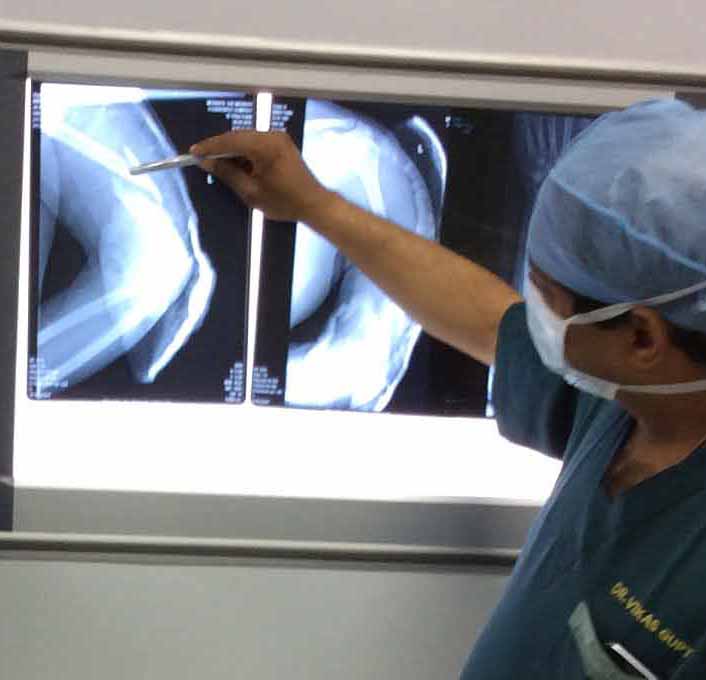
Kienbock's disease is a condition where the lunate bone in the wrist loses its blood supply and can begin to collapse. Below are 51 common questions and answers about Kienbock's disease:
Kienbock's disease is a condition where the lunate, a small wrist bone, loses blood supply and can gradually weaken or collapse.
The exact cause is often unclear, though reduced blood supply to the lunate bone is central to the condition.
Symptoms include wrist pain, swelling, stiffness, and reduced grip strength.
It most often affects young to middle-aged adults, sometimes following repetitive wrist stress.
Diagnosis usually involves X-rays and often an MRI to assess blood flow and bone changes.
It usually affects one wrist, though the reason for one-sided involvement isn't fully understood.
Yes, without treatment, the lunate bone can progressively collapse, leading to more wrist problems.
The condition is often described in stages, ranging from early bone changes to advanced collapse and arthritis.
Not always; early stages may be managed with splinting and activity changes, while later stages often need surgery.
Splinting, activity modification, and anti-inflammatory measures may be used, especially in early stages.
Options can include procedures to reduce pressure on the lunate, bone grafting, or, in advanced cases, wrist reconstruction.
Yes, if left untreated, it can progress to wrist arthritis over time.
Recovery varies depending on the specific surgery but can take several weeks to months.
Yes, immobilization is common after surgery to protect the wrist while it heals.
Grip strength can be affected, especially if the condition is advanced, though treatment aims to preserve function.
Therapy is often recommended to help restore wrist motion and strength.
Yes, repetitive wrist loading in some athletes may be a contributing factor in some cases.
Some studies suggest a shorter ulna bone (negative ulnar variance) may be associated with the condition, though it's not the sole cause.
Early detection with imaging can help guide treatment before significant bone collapse occurs.
It's a surgical technique aimed at reducing pressure and encouraging blood flow to the affected bone.
A prior wrist injury may play a role in some cases, though the exact relationship varies.
Pain can occur with activity and sometimes at rest, especially as the condition progresses.
Yes, X-rays and MRI help determine the stage and guide treatment planning.
Yes, follow-up imaging helps monitor how the bone is responding to treatment.
Yes, stiffness and reduced range of motion are common, especially as the disease advances.
It appears to occur more frequently in men, though it can affect both sexes.
A brace can help support the wrist and reduce discomfort during daily activities.
Continued bone collapse and wrist arthritis can develop, potentially leading to chronic pain and reduced function.
Bone changes can vary in extent and severity, which is part of why staging is used to guide treatment.
Treatment aims to relieve symptoms and protect wrist function, though established bone collapse can't be fully reversed.
In early stages, reducing stress on the wrist may help slow progression alongside other treatments.
Surgery is typically only needed for the affected wrist unless symptoms develop in the other.
Ongoing monitoring helps catch any progression, though treatment aims for lasting improvement.
Yes, bone grafting may be used in certain surgical approaches to support healing.
Return to work depends on treatment type and job demands, and your doctor can guide timing.
It primarily affects the wrist, though associated stiffness could indirectly limit some hand activities.
In advanced cases with significant arthritis, wrist fusion or other reconstructive options may be considered.
It is uncommon in children and more typically affects young to middle-aged adults.
Yes, avoiding activities that stress the wrist is often recommended, especially before and after treatment.
Yes, therapists can suggest techniques to protect the wrist during healing.
Yes, wrist pain, often with activity, is typically the first noticeable symptom.
Mild swelling around the wrist can occur, especially with increased activity.
It primarily affects the wrist, though wrist symptoms can impact overall hand use.
Yes, MRI can sometimes detect early blood flow changes before bone collapse is visible on X-ray.
Advanced cases can sometimes show visible changes in wrist shape or alignment.
Yes, both grip and pinch strength can be affected due to wrist pain and stiffness.
Resting the wrist, especially during flares, can help reduce discomfort.
Some believe repetitive stress or vibration may play a contributing role, though causes are multifactorial.
Yes, a hand or wrist specialist can help diagnose and guide appropriate treatment.
Splinting alone is usually insufficient for advanced stages, which often require surgical treatment.
See a doctor if you have persistent wrist pain, swelling, or stiffness that doesn't improve with rest.
Always talk with your doctor for guidance specific to your condition and treatment for Kienbock's disease.